A decades-long vision come true
Crete-Attica interconnection is now a reality thanks to Ariadne Interconnection, a subsidiary of IPTO Group. The 1.2 billion euro investment is the largest project in the history of the Greek electrical system, generating significant economic and environmental benefits for all citizens.





IDENTITY
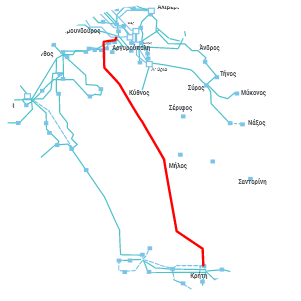
Crete-Attica electrical interconnection ranks among the top 5 most innovative interconnection DC projects at European level. It involves two submarine 500 kV cables, 335 km in length, of a total 1,000 MW transmission capacity, laid in record depths of up to 1,200 meters on the Aegean seabed.
On both ends of the interconnection, in Attica and Heraklion, there are two state-of-the-art high voltage centers under construction - Koumoundourou and Damasta converter stations - as well as a GIS 150 kV substation. During the design of the project, IPTO took into account the requests of local communities to minimize visual and environmental nuisance.
IDENTITY
Crete-Attica electrical interconnection ranks among the top 5 most innovative interconnection DC projects at European level. It involves two submarine 500 kV cables, 335 km in length, of a total 1,000 MW transmission capacity, laid in record depths of up to 1,200 meters on the Aegean seabed.
On both ends of the interconnection, in Attica and Heraklion, there are two state-of-the-art high voltage centers under construction - Koumoundourou and Damasta converter stations - as well as a GIS 150 kV substation. During the design of the project, IPTO took into account the requests of local communities to minimize visual and environmental nuisance.
PROGRESS
In June 2020, in Heraklion, Crete, the contracts for the individual segments of the Project were signed between Ariadne Interconnection and the contractors Prysmian, Nexans, NKT–Hellenic Cables and Siemens–TERNA.
In spring 2021, the contractors completed the seabed survey, defining the optimal route for the submarine cables. The production of the Converter Stations’ equipment commenced within the same year.
In 2022, installation of the first section of the eastern HVDC pole was completed, and laying and protection works for the western pole began. In the same year, construction works for the Converter Stations and the Electrode Stations were also launched.
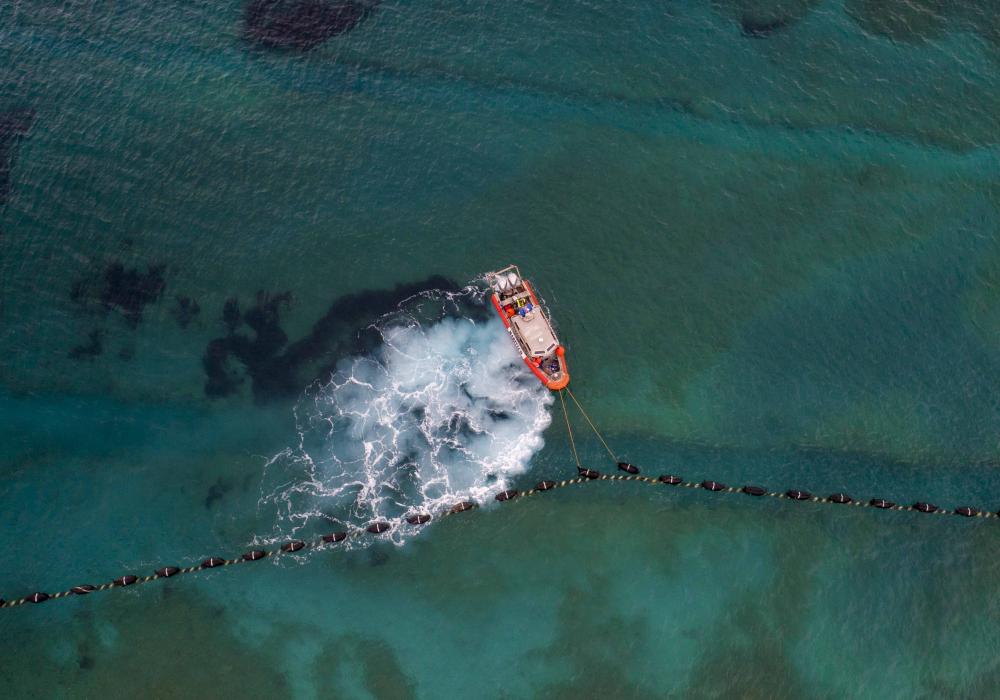
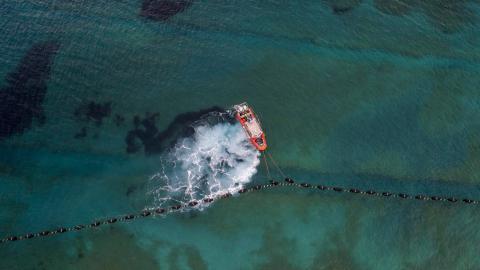
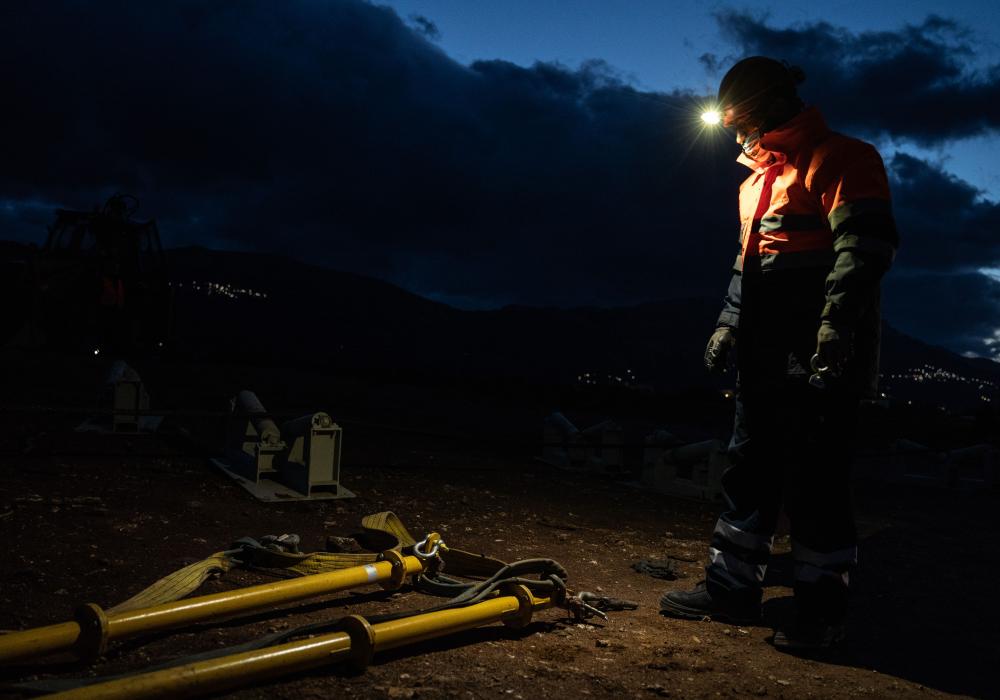
The laying and protection of the two high-voltage direct current (HVDC) cables, each 335 km long, were completed in March and May 2023 for the eastern and western poles respectively, while post-installation testing of the submarine cable system was finalized in December 2023. During the same year, construction of the main buildings and installation of the Converter Station transformers in Attica were also completed.
In 2024, the construction phase of the interconnection was finalized, with the installation of all equipment at the Converter Stations and the GIS substation, followed by the commencement of preliminary trials.
Following the successful conclusion of trials, the first electrical loads began flowing from Attica to Crete in May 2025.
- Contracts' signing in Heraklion, Crete
- Cable manufacturing in the factories of the contractors commences
- Marine survey is completed
- Land construction works launch
- Equipment manufacturing for the converter stations commence
- Optical fibers are installed
- The first section of the submarine cable is laid
- Submarine cables are laid and protected
- Construction works for the electrode stations launch
- Equipment of the converter stations is installed
- Τhe installation of the high-voltage direct current (HVDC) submarine cable system is completed
- The post-installation testing of the high-voltage direct current (HVDC) submarine cable system is completed
- The foundation for the main converter station buildings is laid
- The construction of the main buildings of the converter stations in Attica and Crete is completed
- Installation of transformers, converter valves, and primary and secondary equipment
- The GIS building and installation of all associated equipment is completed
- Project completion
PROGRESS
In June 2020, in Heraklion, Crete, the contracts for the individual segments of the Project were signed between Ariadne Interconnection and the contractors Prysmian, Nexans, NKT–Hellenic Cables and Siemens–TERNA.
In spring 2021, the contractors completed the seabed survey, defining the optimal route for the submarine cables. The production of the Converter Stations’ equipment commenced within the same year.
In 2022, installation of the first section of the eastern HVDC pole was completed, and laying and protection works for the western pole began. In the same year, construction works for the Converter Stations and the Electrode Stations were also launched.
The laying and protection of the two high-voltage direct current (HVDC) cables, each 335 km long, were completed in March and May 2023 for the eastern and western poles respectively, while post-installation testing of the submarine cable system was finalized in December 2023. During the same year, construction of the main buildings and installation of the Converter Station transformers in Attica were also completed.
In 2024, the construction phase of the interconnection was finalized, with the installation of all equipment at the Converter Stations and the GIS substation, followed by the commencement of preliminary trials.
Following the successful conclusion of trials, the first electrical loads began flowing from Attica to Crete in May 2025.
- Contracts' signing in Heraklion, Crete
- Cable manufacturing in the factories of the contractors commences
- Marine survey is completed
- Land construction works launch
- Equipment manufacturing for the converter stations commence
- Optical fibers are installed
- The first section of the submarine cable is laid
- Submarine cables are laid and protected
- Construction works for the electrode stations launch
- Equipment of the converter stations is installed
- Τhe installation of the high-voltage direct current (HVDC) submarine cable system is completed
- The post-installation testing of the high-voltage direct current (HVDC) submarine cable system is completed
- The foundation for the main converter station buildings is laid
- The construction of the main buildings of the converter stations in Attica and Crete is completed
- Installation of transformers, converter valves, and primary and secondary equipment
- The GIS building and installation of all associated equipment is completed
- Project completion
INNOVATION
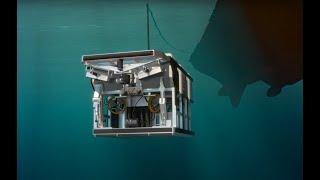
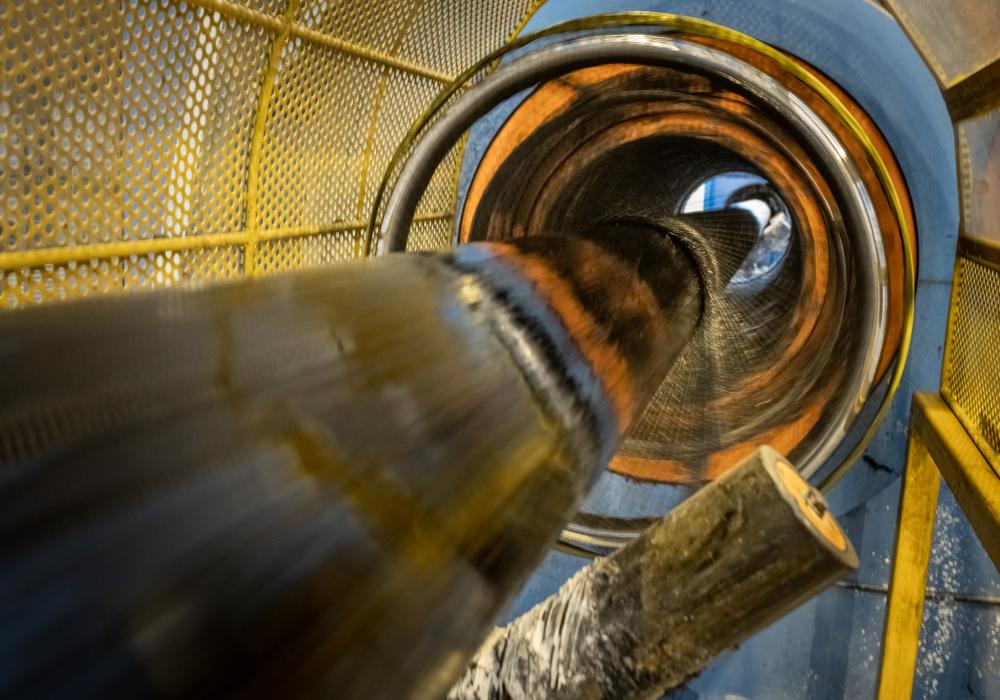
Crete-Attica interconnection uses 500 kV DC cables and the Voltage Source Converter (VSC) advanced technology, the first of its kind to be implemented in the Mediterranean.
With a 1,000 MW transmission capacity, it is the island interconnection with the greatest capacity worldwide, along with Sardinia.
The installation of the cables at depths reaching up to 1,200 meters, places it among the top three deepest interconnections internationally.
Europe’s leading manufacturers have joined forces in this largest energy infrastructure ever to be constructed in Greece.
INNOVATION
Crete-Attica interconnection uses 500 kV DC cables and the Voltage Source Converter (VSC) advanced technology, the first of its kind to be implemented in the Mediterranean.
With a 1,000 MW transmission capacity, it is the island interconnection with the greatest capacity worldwide, along with Sardinia.
The installation of the cables at depths reaching up to 1,200 meters, places it among the top three deepest interconnections internationally.
Europe’s leading manufacturers have joined forces in this largest energy infrastructure ever to be constructed in Greece.
FOOTPRINT
The new interconnection delivers a significant economic, social, and environmental impact.
Economic, as the operation of Crete’s two interconnections (via Attica and the Peloponnese) enable savings of €500 million per year for all electricity consumers in Greece, through reduced Public Service Obligation (PSO) charges on power bills.
Social, as the construction phase created a large number of new jobs, while its operation strengthens the island’s energy security and directly enhances its tourism offering.
Environmental, as CO₂ emissions are reduced by 1.5 million tons per year and pollutants from local power generation are eliminated, with the smokestacks of the island’s thermal power plants effectively shutting down for good.
 ENVIRONMENT 0 CO2 emissions for energy production in Crete
 ECONOMY 500 million euros benefit for all consumers through PSOs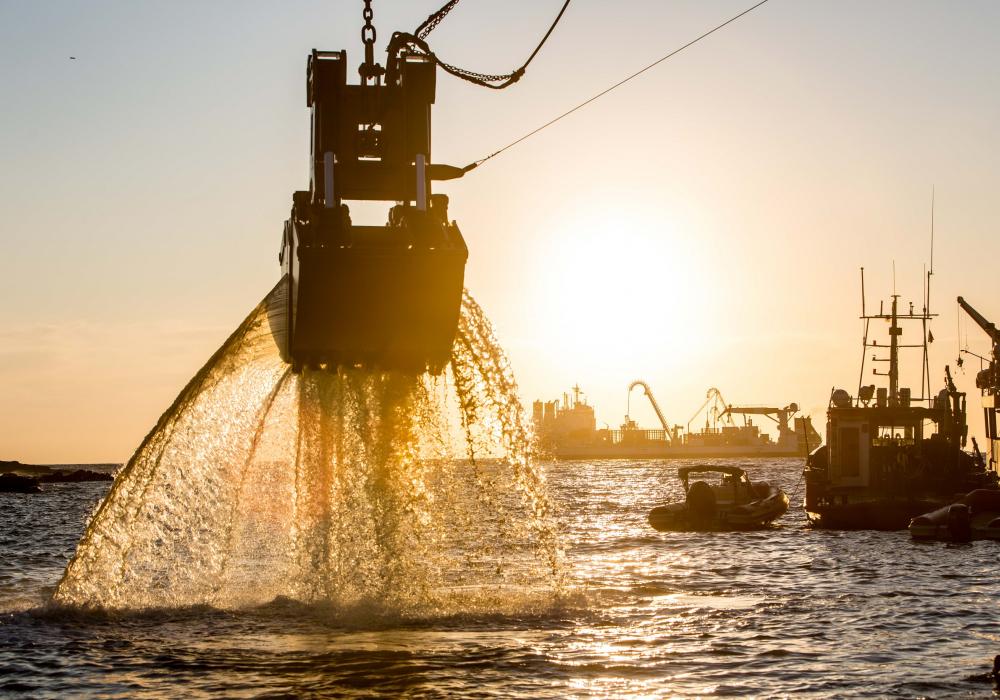
FOOTPRINT
ENVIRONMENT 0 CO2 emissions for energy production in CreteECONOMY 500 million euros benefit for all consumers through PSOs
TESTIMONIALS
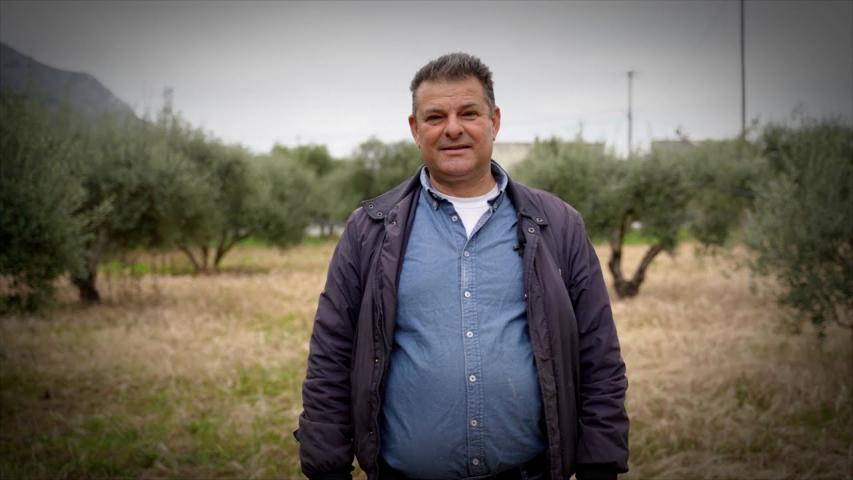
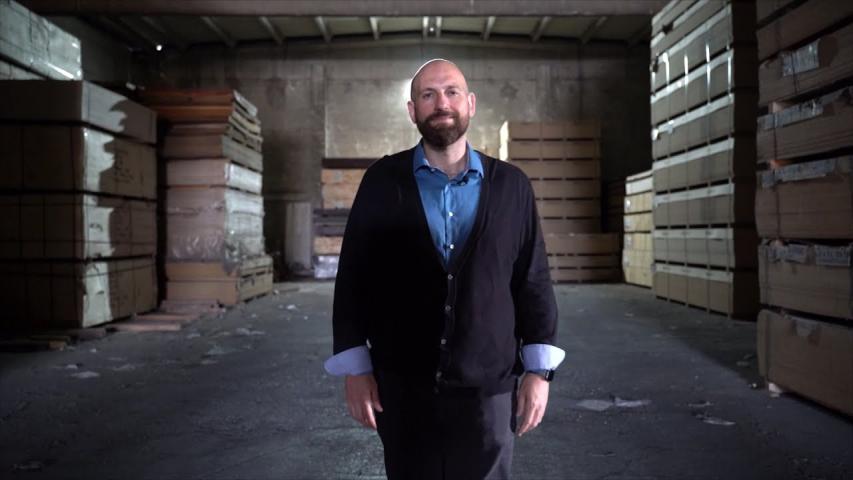
We respect the needs of the local residents in Crete and listen to their stories, as they are the first to reap the benefits of this new interconnection in their homes and businesses. The improved quality and reliability of the power supply has quickly become evident, especially during the summer months, when demand for power peaks due to the incoming tourism. With Crete fully integrated into the System grid, the benefits of a better air quality and a more sustainable environment are now enjoyed by all.
TESTIMONIALS
We respect the needs of the local residents in Crete and listen to their stories, as they are the first to reap the benefits of this new interconnection in their homes and businesses. The improved quality and reliability of the power supply has quickly become evident, especially during the summer months, when demand for power peaks due to the incoming tourism. With Crete fully integrated into the System grid, the benefits of a better air quality and a more sustainable environment are now enjoyed by all.
Copyright ©2026 ARIADNE INTERCONNECTION